




The Changing Trends of Marriage in Bangladesh 2026
Marriage is one of the most fundamental social institutions across the world. In Bangladesh, marriage has historically been embedded in tradition, religion, family obligations, and community expectations. However, in recent decades, the dynamics of marriage have undergone significant transformation due to rapid modernization, educational growth, economic pressures, urbanization, changing gender roles, and technological advancements.
In this essay, we will explore how marriage in Bangladesh has evolved — focusing on patterns, practices, motivations, challenges, and emerging trends — while balancing cultural values with modern realities.
1. Historical Background: Traditional Marriage Practices
Historically, marriage in Bangladesh has been predominantly arranged by families. Decisions were made by elders, often prioritizing financial stability, social status, and compatibility of families rather than individual preferences.
Key features of traditional Bangladeshi marriage included:
-
Early marriage — especially for girls, often in teenage years.
-
Dowry system — transfer of wealth from the bride’s family to the groom’s family.
-
Extended family involvement — decisions made collectively.
-
Strong community pressure — societal expectations shaped choices.
-
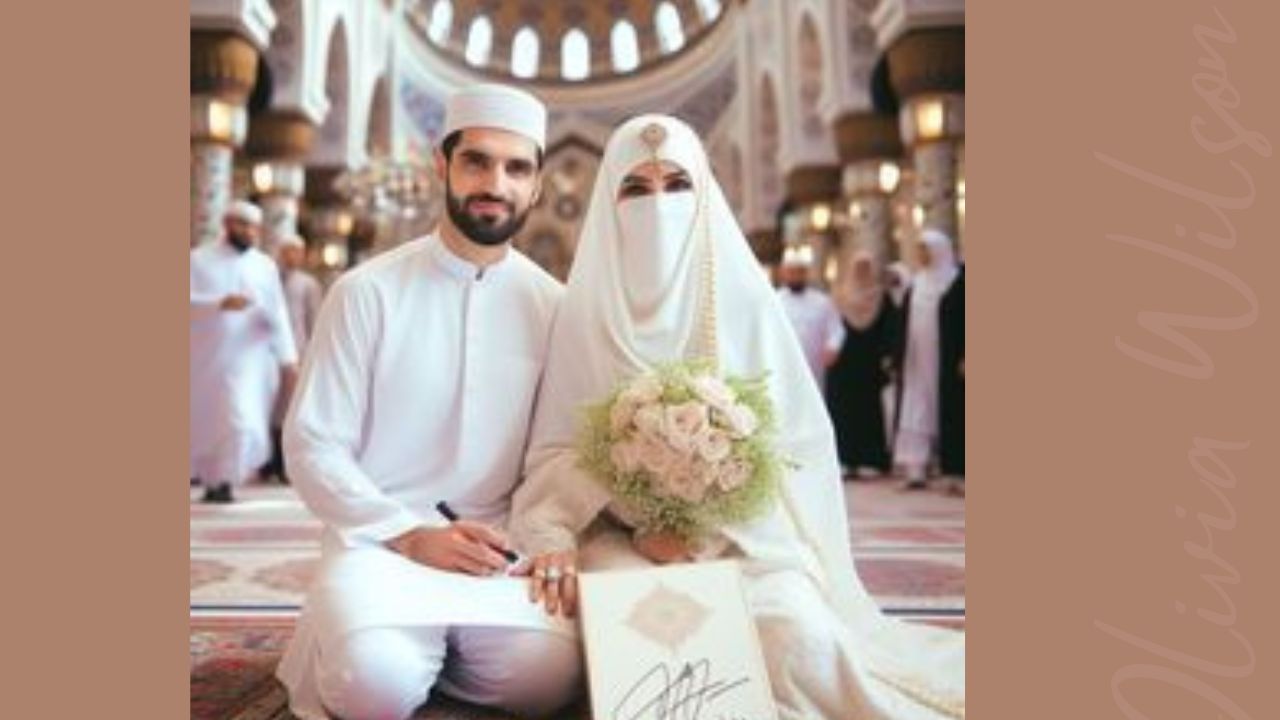
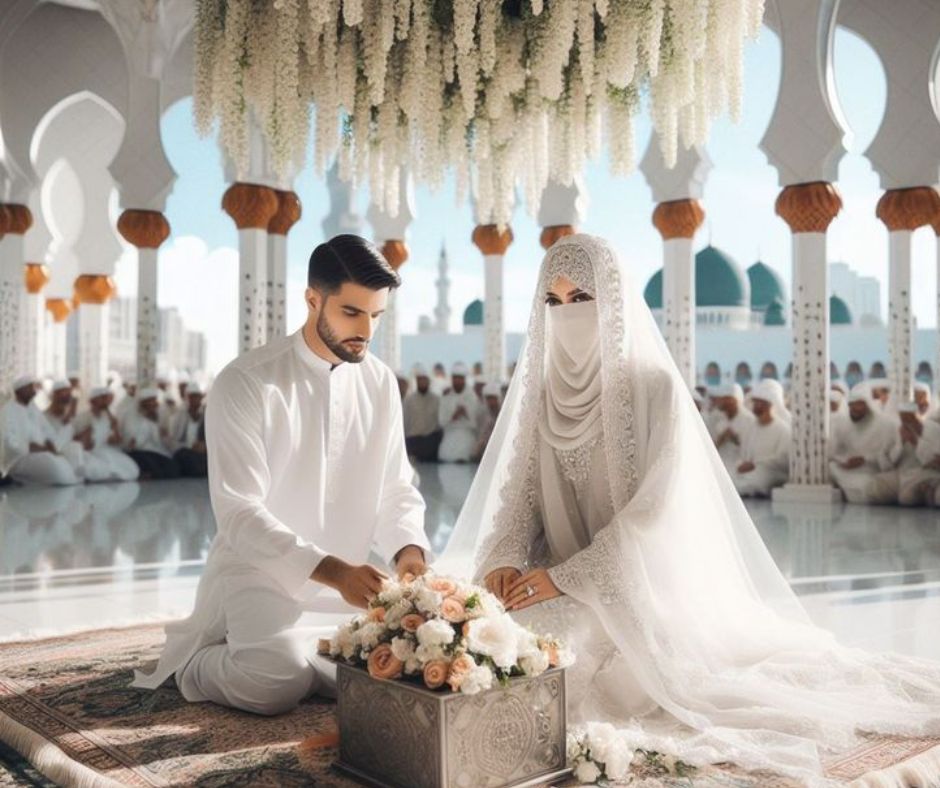
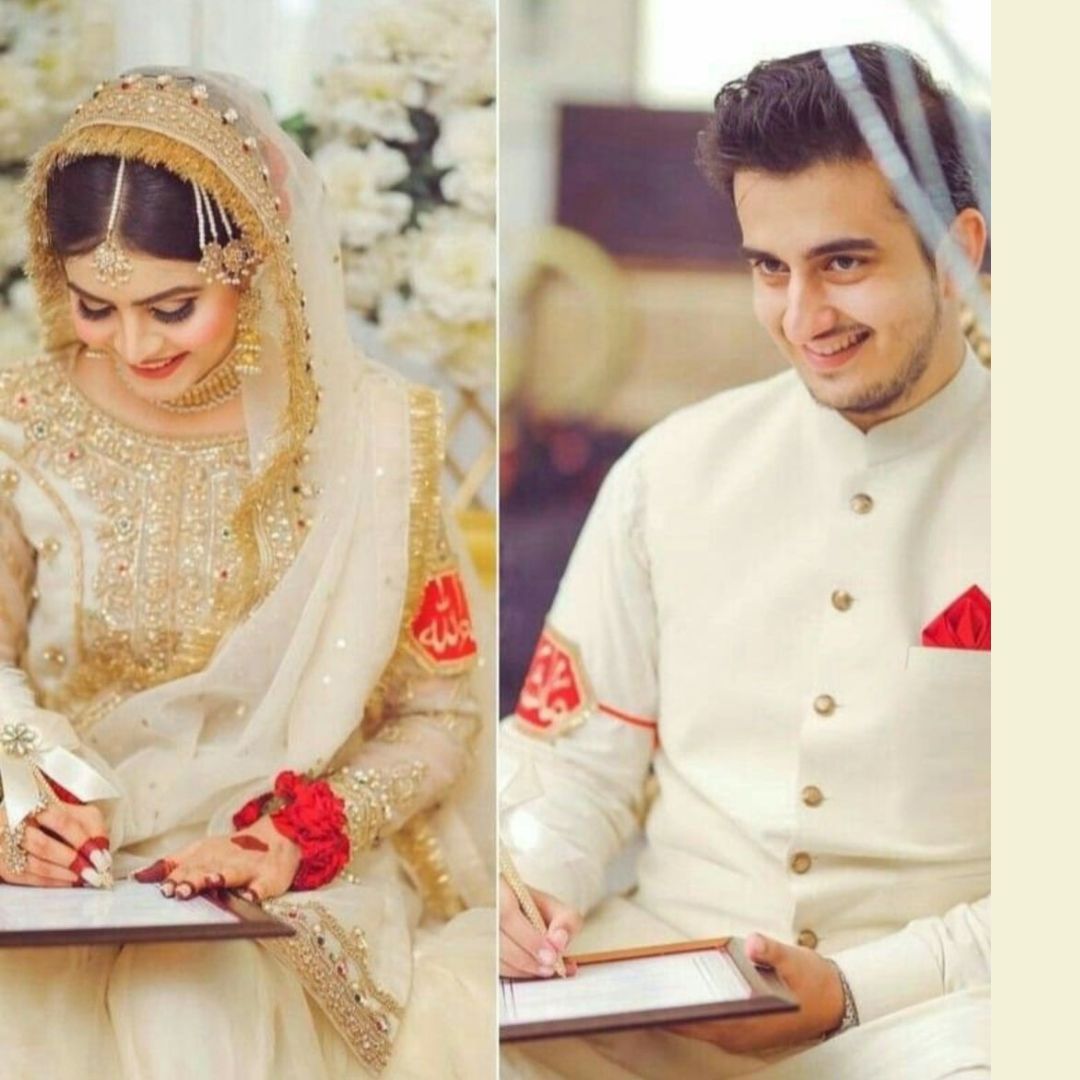
Religious rituals — Islamic Nikah (for Muslims), Hindu Vivah Sanskar (for Hindus), and other rites played central roles.
Marriage was seen not just as a union between two individuals, but as an alliance between families and communities.
One of the most profound changes in marriage trends has come from rising education levels — especially among women.
Increased female education has led to:
-
Delayed age of marriage.
-
Greater autonomy in choosing life partners.
-
Higher expectations for marital equality.
-
More participation in decision-making.
Where previously many girls were married off before finishing formal education, today more families are prioritizing girls’ schooling — often from primary through university level. Education has empowered women to be financially literate, career-oriented, and self-aware, which inevitably influences how they view marriage. Women are increasingly vocal about compatibility, mutual respect, and shared life goals.
3. Changing Age at Marriage
Early marriage — especially under the age of 18 — has been gradually declining, though it still persists in rural and underprivileged areas.
Several factors contributed to this shift:
-
Legal enforcement — the Child Marriage Restraint Act sets minimum marriage ages (18 for women, 21 for men).
-
Awareness campaigns — NGOs and government efforts have highlighted education, health risks, and economic disadvantages of early marriage.
-
Economic aspirations — families now see education as a pathway to better economic prospects.
As a result, many young people are marrying in their mid-20s or later — a significant change from previous generations.
4. Rise of Love and Self-Choice Marriages
Traditionally, arranged marriages dominated Bangladeshi society. But through urbanization, social exposure, and digital communication, love marriages and self-choice marriages have become more common.
Earlier, meeting a future partner outside the arranged framework was rare and often stigmatized. Today, especially among urban youth:
-
College and workplace interactions foster relationships.
-
Social media and dating apps provide new avenues for connections.
-
Parents are gradually becoming more accepting of self-choice marriages.
While family approval still plays a role, especially in rural areas, individual preferences now carry more weight in marital decisions. This shift reflects a broader cultural emphasis on personal happiness, emotional compatibility, and mutual understanding.
5. Urbanization and Changing Family Structures
Bangladesh has experienced rapid urbanization over the past few decades. Millions of people have moved from villages to cities like Dhaka, Chittagong, and Sylhet in search of education and employment.
Urban living impacts marriage in several ways:
-
Nuclear family structures replace extended family systems.
-
Young adults often live independently before marriage.
-
Marriage decisions become more individualistic rather than family-centered.
-
Cost of living pressures influence choices about dowry, wedding celebrations, and household planning.
Urban lifestyles expose individuals to diverse cultures, worldviews, and opportunities for social engagement — all of which affect expectations around marriage.
6. Economic Pressures and Delayed Marriages
The economic landscape of Bangladesh has a strong influence on marriage trends.
Today, many young people delay marriage due to:
-
Job insecurity
-
High cost of weddings
-
Desire for financial stability before family life
-
Unsustainable dowry expectations
In previous generations, marriage often happened early because families saw it as a milestone. Now, many young adults choose to be financially independent before committing to marriage, prioritizing careers and life plans first.
This shift also reflects rising awareness about the responsibilities and costs associated with marriage and child-rearing.
7. Gender Roles and Expectations
Bangladesh has traditionally observed clearly defined gender roles — men as breadwinners and women as homemakers. However, these roles are evolving.
Women are increasingly entering the workforce, pursuing higher education, and asserting financial independence. Men, especially in urban settings, are more open to shared responsibilities in family life.
This evolution has influenced marriage dynamics:
-
Greater gender equality in decision-making.
-
Expectations of balanced partnerships.
-
Changing views on roles within marriage, home, and careers.
-
Growing discussions on respect, consent, and mutual support.
These changes are most visible among educated, urban populations but are gradually spreading to broader social contexts.
8. Media, Technology, and Modernization
The proliferation of mass media, smartphones, and internet connectivity has revolutionized social interactions in Bangladesh.
Technology influences marriage trends by:
-
Facilitating new forms of communication and relationships.
-
Expanding social circles beyond geographical limitations.
-
Providing platforms for matchmaking and introductions (e.g., social media, matrimonial websites).
-
Introducing modern narratives around love, relationships, and individual choice.
Television dramas, films, and digital content also portray alternative lifestyles and marriage models, impacting societal expectations and perceptions. Young people increasingly question traditional norms and seek partners who share similar values.
9. Influence of Matrimonial Websites and Matchmaking Platforms
With high internet penetration and tech adoption especially in urban zones, matrimonial websites and apps have grown in popularity.
Platforms dedicated to matchmaking allow:
-
Filtering by education, profession, religion, and interests.
-
Independent searches without solely relying on family arrangements.
-
Interaction between prospective partners before formal commitments.
-
Inclusion of diaspora Bangladeshi communities in the matchmaking process.
This technology shift democratizes access to potential partners and gives individuals greater control over their choices.
10. Religious and Cultural Continuity Amid Change
Despite changing dynamics, religion and culture continue to shape marriage in Bangladesh.
Islamic rituals (Nikah), Hindu traditions, and community ceremonies remain pivotal in wedding festivities. Many families still emphasize:
-
Compatibility of religious and cultural values.
-
Family lineage, reputation, and societal standing.
-
Community involvement in wedding rituals.
However, modern couples often blend traditional rites with contemporary celebrations — balancing respect for heritage with personal preferences.
11. Changing Rituals and Wedding Practices
Weddings in Bangladesh have become increasingly elaborate and diverse.
Where once weddings were simple community gatherings focused on ritual, today’s ceremonies often integrate:
-
Professional wedding planners
-
Themed events
-
Destination ceremonies
-
Bridal fashion shows
-
Pre-wedding photography and engagement parties
-
Fusion of modern and traditional dress
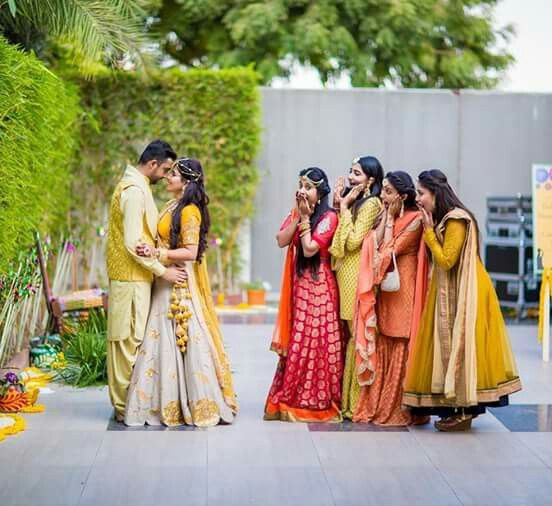
While celebrating customs such as Mehndi, Barat, Walima, and reception dinners, couples now incorporate personalized elements reflecting their identities.
12. Shifting Role of Dowry and Economic Expectations
Dowry, while outlawed, remains a social reality in many parts of Bangladesh. However, its role is slowly transforming.
In traditional systems, dowry was seen as a significant financial and symbolic arrangement. Now:
-
Urban and educated families increasingly reject dowry demands.
-
Legal and social campaigns raise awareness about its harm.
-
Younger generations often prioritize mutual respect over material exchange.
Still, in rural areas and conservative settings, dowry practices persist — though overall attitudes are shifting due to economic stresses and social criticism.
13. Divorce and Family Law Changes
Divorce, once a taboo subject, is now gradually part of marriage discourse in Bangladesh.
While divorce rates are lower compared to many Western societies, they are rising due to:
-
Greater awareness of individual rights.
-
Economic independence of women.
-
Social recognition of incompatibility and marital challenges.
-
Legal accessibility to divorce proceedings.
Family law reforms and support systems continue to evolve to protect the rights of women, children, and families. These changes reflect shifts in how society addresses marital breakdown — focusing on dignity and justice rather than stigmatization.
14. Interfaith and Cross-Cultural Marriages
Bangladesh is predominantly Muslim, but it has significant Hindu, Buddhist, and Christian communities. Interfaith marriages — while still rare — are now seen more often in cosmopolitan cities.
These marriages often require careful negotiation of:
-
Cultural practices
-
Family acceptance
-
Religious rituals
-
Legal recognition
Interfaith couples increasingly seek harmonious blends of tradition and modern identity — highlighting mutual respect, understanding, and inclusive family values.
15. Impact of Globalization and Diaspora
Globalization and migration have influenced marriage trends in Bangladesh.
Bangladeshis living abroad (in the Middle East, Europe, North America) often maintain strong cultural ties while adopting global perspectives. This creates new marriage patterns:
-
International matchmaking
-
Transnational families
-
Cultural exchange in wedding practices
-
Greater emphasis on individual choice and compatibility
Diaspora influences bring diversity into expectations around marriage, gender roles, and family priorities.
16. Challenges and Social Issues
Despite positive trends, Bangladesh still faces challenges:
Child Marriage:
It remains an issue, especially in rural and impoverished communities, despite legal restrictions.
Gender Inequality:
Patriarchal norms still influence family expectations and women’s roles.
Economic Barriers:
High cost of weddings, housing, and earning stability delay marriage.
Social Pressure:
Families may still prioritize tradition over personal choice.
Addressing these challenges requires sustained policy intervention, education, social awareness, and community engagement.
17. Future Outlook: Marriage in Bangladesh
The future of marriage in Bangladesh will likely continue evolving toward:
Balanced Individual and Family Expectations
Young people will seek honor for their personal preferences while respecting traditional family values.
Greater Gender Equality
Women’s participation in education, workforce, and decision-making will deepen.
Technology-Driven Matchmaking
Digital platforms will further influence how couples meet and connect.
Delayed and Purposeful Marriages
Individuals will focus on emotional compatibility, financial readiness, and shared life goals.
Social Support for Diverse Marriages
More acceptance of love marriages, interfaith unions, and alternative lifestyles — within cultural respect.
Bangladesh’s marriage system is becoming more inclusive, flexible, and adaptive — balancing tradition with modern aspirations.
Conclusion
The institution of marriage in Bangladesh is steeped in rich cultural history. Yet, like many societies undergoing rapid socioeconomic transition, it is adapting to modern realities.
From arranged to self-choice marriages, from early marriage to delayed commitments, from rigid gender roles to shared partnerships — Bangladesh is experiencing a profound transformation.
These changes reflect not just shifts in marital practices but broader transformations in education, economic participation, gender roles, technology, globalization, and social values.
As Bangladesh moves forward, the challenge lies in harmonizing tradition with progress — ensuring that marriage remains a meaningful, respectful, and empowering institution for individuals and families alike.